Featured

Taking Back Congo: From Exploitation to Empowerment

A message from Patrick Mudimbi, Founder, The Shilo Foundation

A Call to the Congolese Spirit

For generations the Democratic Republic of the Congo has been called ‘the richest land with the poorest people.’ Beneath our soil lies gold, cobalt, copper, diamonds, fertile fields, and rivers strong enough to light Africa — yet too many of our families live in poverty.

It is time to take back what is ours, not through anger or revenge, but through knowledge, unity, and economic strength.

The Shilo Foundation exists to awaken, equip, and empower Congolese everywhere — at home and abroad — to rebuild our nation with our own hands and ideas.

Understanding How We Were Taken

Books like ‘Confessions of an Economic Hit Man’ by John Perkins and ‘The Looting Machine’ by Tom Burgis reveal how powerful nations and corporations used debt, deception, and dependency to control resource-rich countries.

Loans meant for ‘development’ became chains of debt. Foreign contracts drained our minerals while polluting our land. Aid created dependence instead of freedom.

For decades, economic hitmen and corrupt middlemen signed deals that enriched outsiders and impoverished our people. Now that we understand the game — we can rewrite the rules.

The $100 Million Mindset

In Alex Hormozi’s ‘$100M Money Models’, we learn that wealth is built by creating value systems — not waiting for saviors.

The Congolese must design our own economic engines:
– Agriculture & Agro-Processing: turning our mangoes, cassava, and fish into branded exports.
– Clean Energy & Water: solar, hydro, and purification projects run by local engineers.
– Construction & Infrastructure: Congolese-owned equipment, factories, and logistics.
– Technology & Media: digital platforms connecting diaspora investors to homegrown ventures.

When we combine entrepreneurial knowledge with national pride, we become unstoppable.

Shilo: Building the Life Economy

John Perkins warns of the ‘Death Economy’ — exploitation, pollution, corruption — and calls us to build a ‘Life Economy’: one that sustains and uplifts.

The Shilo Foundation stands firmly in this vision. We commit to:

  • Clean water, housing, schools, and hospitals built by Congolese for Congolese.
  • Training youth and communities to own and maintain their infrastructure.
  • Renewable energy and sustainable design that protect our environment.
  • Uniting the diaspora — engineers, investors, doctors, artists — to finance and manage Shilo Projects that create jobs and dignity.

Our Greatest Resource: The Congolese People

Congo’s true wealth is not its cobalt — it is its people. Every mason, farmer, nurse, and innovator is a cornerstone of national rebirth.

We must:

  • Own what we create. No more exporting raw minerals and importing finished goods.
  • Unite beyond tribes and politics. Our common destiny is greater than our divisions.
  • Link diaspora capital to local talent. Every Congolese abroad can invest, mentor, and uplift someone back home.


If we do not build our own value chain, others will — and we will again become consumers of our own resources.

The New Covenant

Let this be our declaration:

We will build our future.
We will finance our development.
We will rise as one nation, one purpose, one Congo.

Shilo Foundation is more than a project — it is a blueprint for rebirth. Together, we will turn Congo from a land of extraction into a land of innovation, from dependency into destiny.

Join the Movement

Wherever you are — Kinshasa, Lubumbashi, Brussels, Paris, or the U.S. — you are Shilo.

Featured

Reprendre le Congo : de l’exploitation à l’autonomisation

Un message de Patrick Mudimbi, fondateur de la Fondation Shilo

Un appel à l’esprit congolais

Pendant des générations, la République démocratique du Congo a été qualifiée de « la terre la plus riche avec les personnes les plus pauvres ». Sous notre sol se trouvent l’or, le cobalt, le cuivre, les diamants, les champs fertiles et les rivières suffisamment fortes pour illuminer l’Afrique – mais trop de nos familles vivent dans la pauvreté.Il est temps de reprendre ce qui nous est à nous, non pas par la colère ou la vengeance, mais par la connaissance, l’unité et la force économique.La Fondation Shilo existe pour éveiller, équiper et responsabiliser les Congolais partout – au pays et à l’étranger – pour reconstruire notre nation avec nos propres mains et idées.

Comprendre comment nous avons été pris

Des livres comme “Confessions of an Economic Hit Man” de John Perkins et “The Looting Machine” de Tom Burgis révèlent comment des nations et des entreprises puissantes ont utilisé la dette, la tromperie et la dépendance pour contrôler les pays riches en ressources.
Les prêts destinés au « développement » sont devenus des chaînes de dettes. Les contrats étrangers ont drainé nos minéraux tout en polluant nos terres. L’aide a créé la dépendance au lieu de la liberté.
Pendant des décennies, des tueurs à gages économiques et des intermédiaires corrompus ont signé des accords qui ont enrichi les étrangers et appauvri notre peuple. Maintenant que nous comprenons le jeu, nous pouvons réécrire les règles.

L’état d’esprit de 100 millions de dollars

Dans les « Modèles d’argent de 100 millions de dollars » d’Alex Hormozi, nous apprenons que la richesse se construit en créant des systèmes de valeur – et non en attendant des sauveurs.

Les Congolais doivent concevoir nos propres moteurs économiques :

– Agriculture et agro-transformation : transformer nos mangues, nos maniocs et nos poissons en exportations de marque.

– Énergie propre et eau : projets solaires, hydroélectriques et de purification gérés par des ingénieurs locaux.

– Construction et infrastructure : Équipement, usines et logistique appartenant à des Congolais.

– Technologie et médias : plates-formes numériques reliant les investisseurs de la diaspora aux entreprises locales.

Shilo : Construire l’économie de la vie

John Perkins met en garde contre « l’économie de la mort » – exploitation, pollution, corruption – et nous appelle à construire une « économie de la vie » : une économie qui soutient et élève.

La Fondation Shilo est fermement dans cette vision. Nous nous engageons à :

  • Eau propre, logement, écoles et hôpitaux construits par des Congolais pour les Congolais.
  • Former les jeunes et les communautés à posséder et à entretenir leur infrastructure.
  • Énergie renouvelable et conception durable qui protège notre environnement.
  • Unir la diaspora – ingénieurs, investisseurs, médecins, artistes – pour financer et gérer des projets Shilo qui créent des emplois et de la dignité.

Notre plus grande ressource: le peuple congolais

La véritable richesse du Congo n’est pas son cobalt – c’est son peuple. Chaque maçon, agriculteur, infirmière et innovateur est la pierre angulaire de la renaissance nationale.

Nous devons:

  • Posséder ce que nous créons. Plus d’exportation de minéraux bruts et d’importation de produits finis.
  • Unissez-vous au-delà des tribus et de la politique. Notre destin commun est plus grand que nos divisions.
  • Reliez le capital de la diaspora aux talents locaux. Chaque Congolais à l’étranger peut investir, encadrer et élever quelqu’un chez lui.


Si nous ne construisons pas notre propre chaîne de valeur, d’autres le feront – et nous redeviendrons des consommateurs de nos propres ressources.

La Nouvelle Alliance

Que ce soit notre déclaration:
Nous allons construire notre avenir.

Nous financerons notre développement.

Nous nous lèverons comme une nation, un but, un Congo.

Rejoignez le mouvement

Où que vous soyez – Kinshasa, Lubumbashi, Bruxelles, Paris ou aux États-Unis – vous êtes Shilo.
Project Progress: Shilo Headquarters

We are excited to watch this wall being built around our property! This is where the magic is happening and where our warehouse will be… check out how it’s coming along!

Taking Back Congo: From Exploitation to Empowerment

A message from Patrick Mudimbi, Founder, The Shilo Foundation A Call to the Congolese Spirit For generations the Democratic Republic of the Congo has been called ‘the richest land with the poorest people.’ Beneath our soil lies gold, cobalt, copper, diamonds, fertile fields, and rivers strong enough to light Africa — yet too many of…

Reprendre le Congo : de l’exploitation à l’autonomisation

Un message de Patrick Mudimbi, fondateur de la Fondation Shilo Un appel à l’esprit congolais Pendant des générations, la République démocratique du Congo a été qualifiée de « la terre la plus riche avec les personnes les plus pauvres ». Sous notre sol se trouvent l’or, le cobalt, le cuivre, les diamants, les champs fertiles…

Breaking Ground!

The next update is going to be so exciting! We can’t wait to share it!

Update current as of Feb 2021

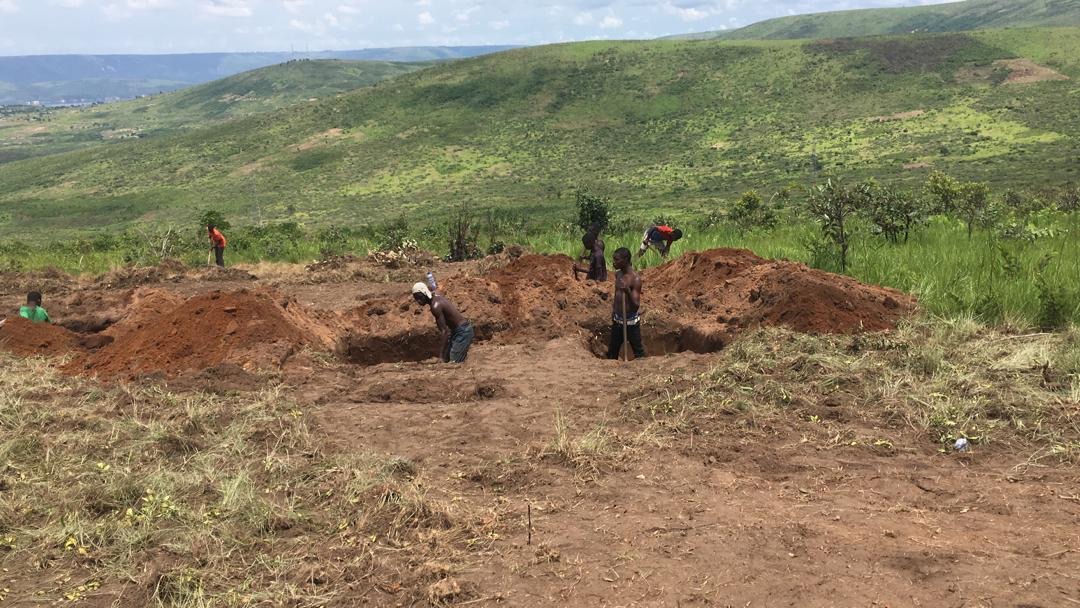
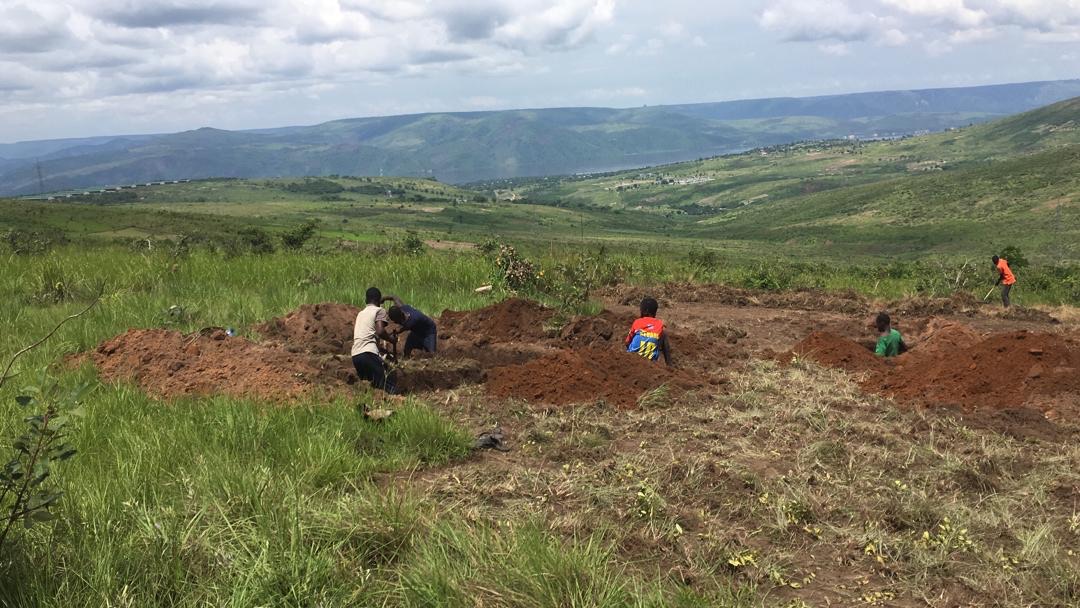
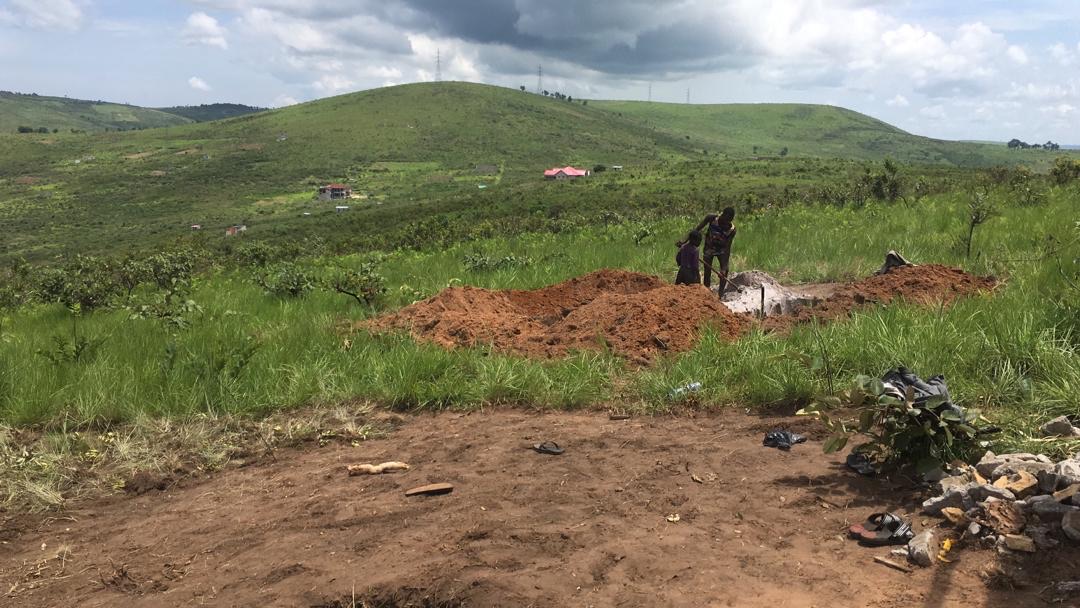
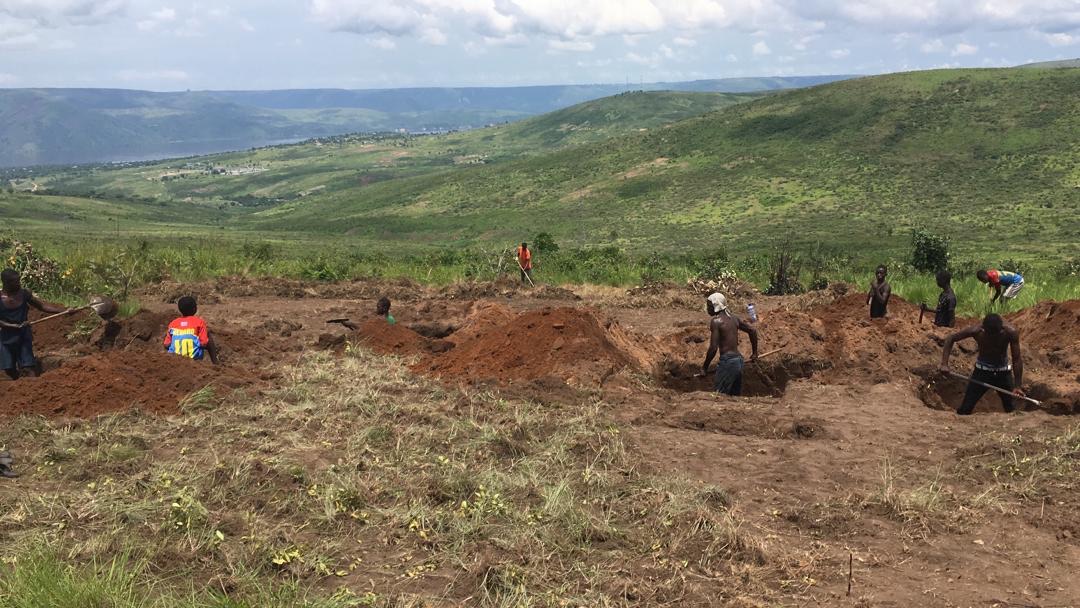
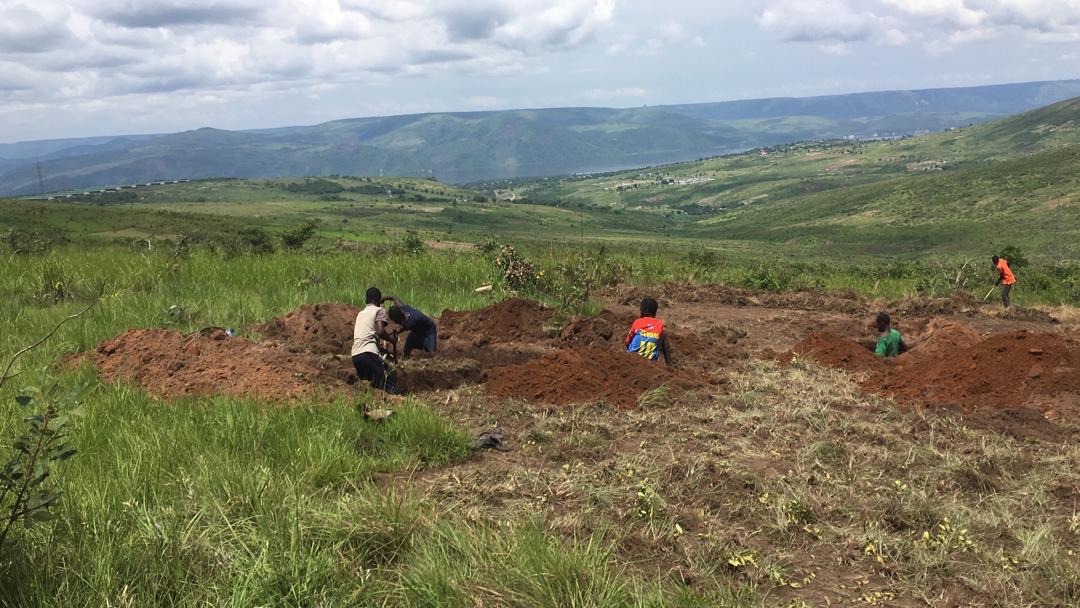
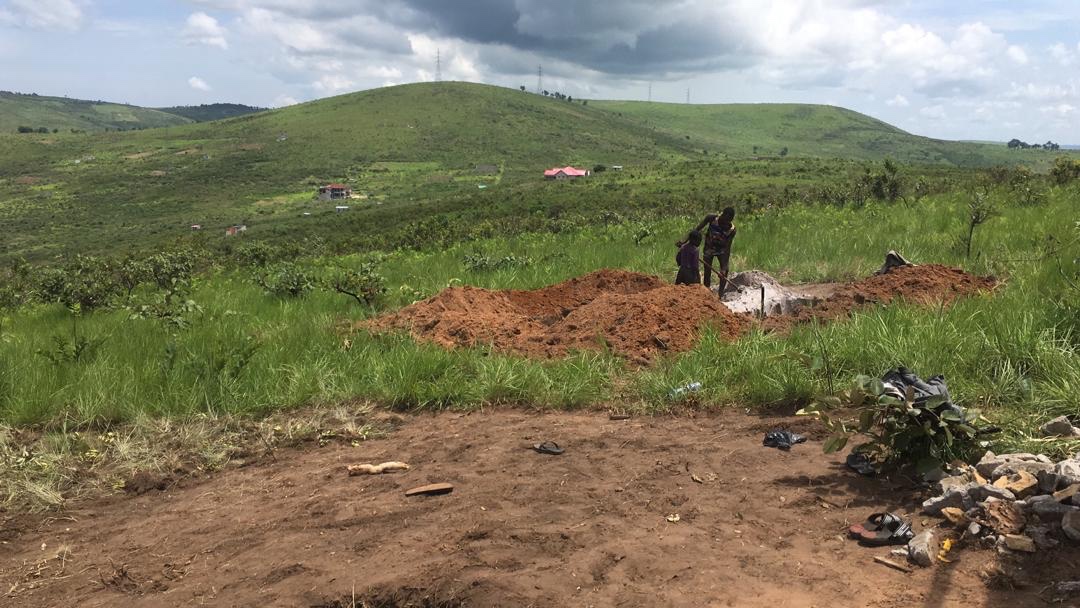
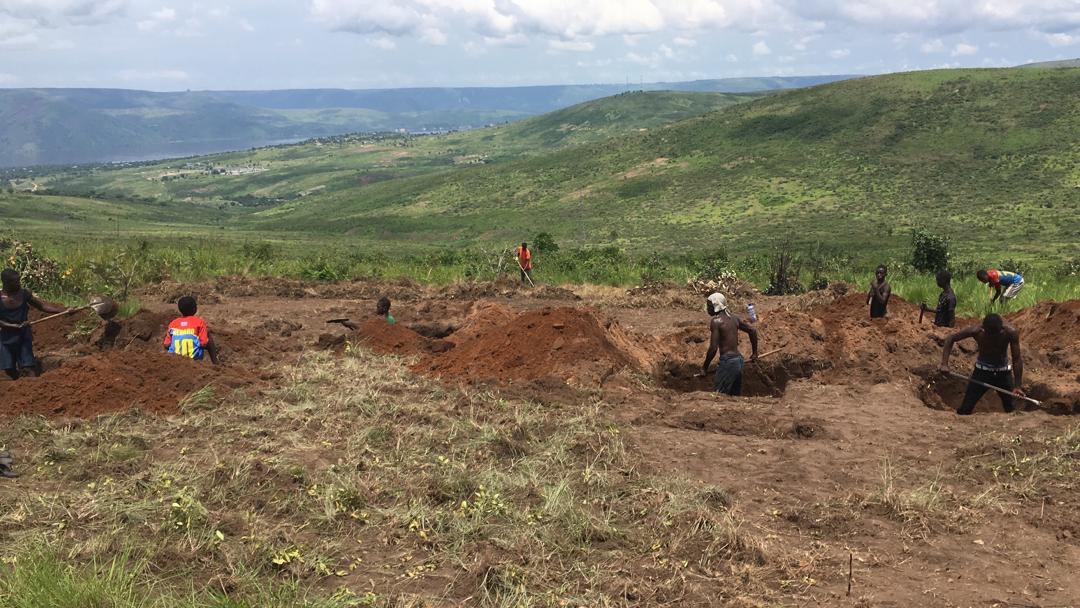
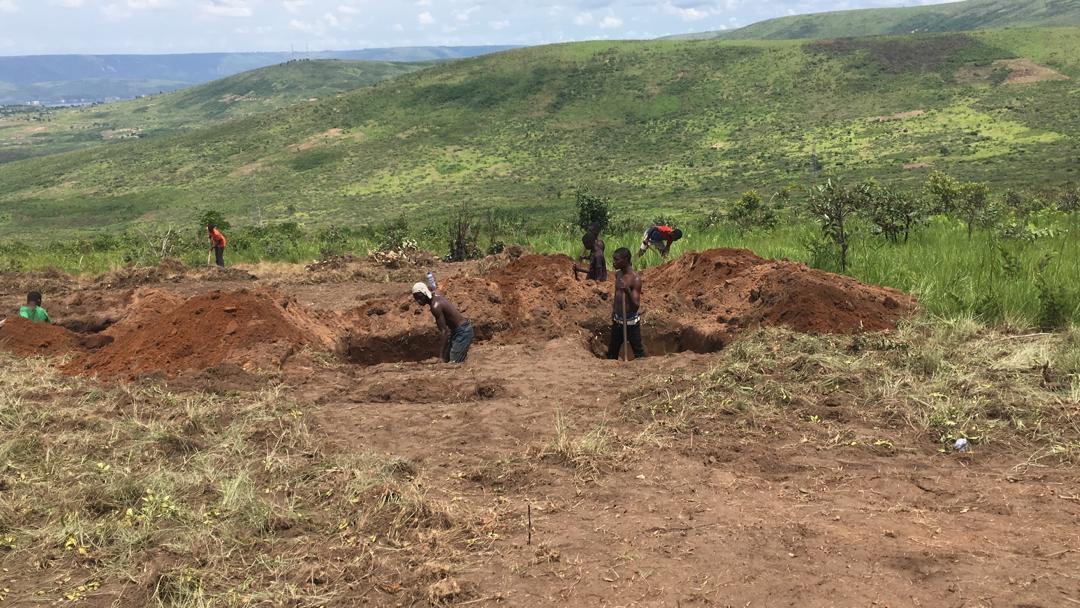
Update! Digging has begun, check back for video and pictures of this exiciting endeavor!

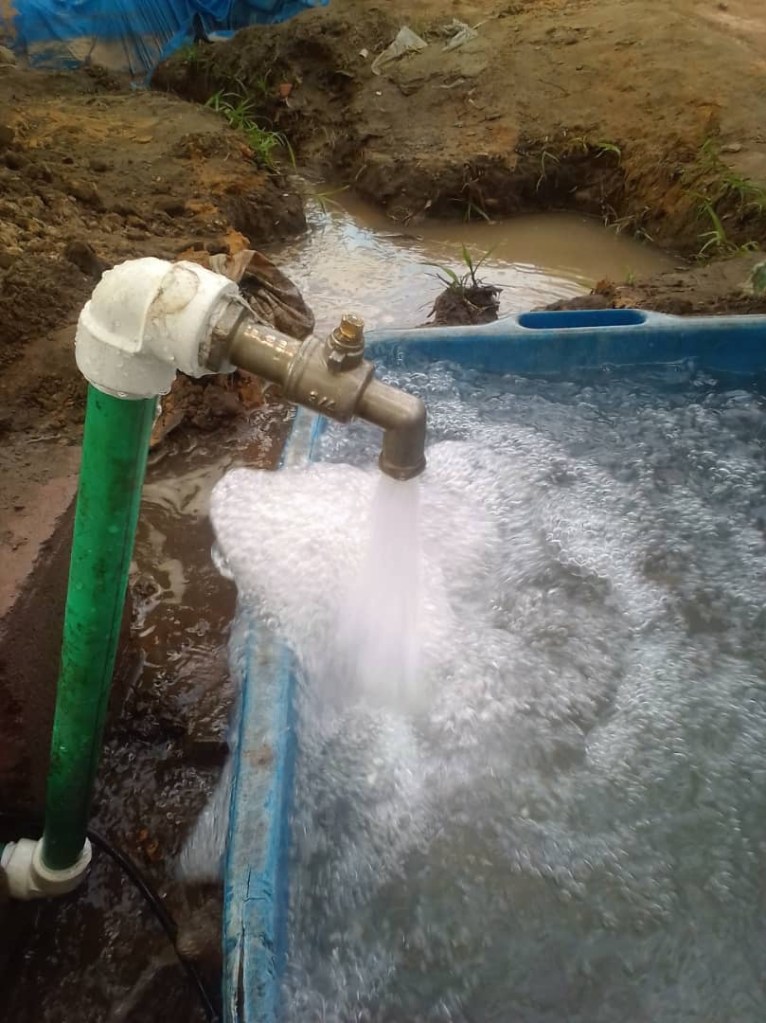
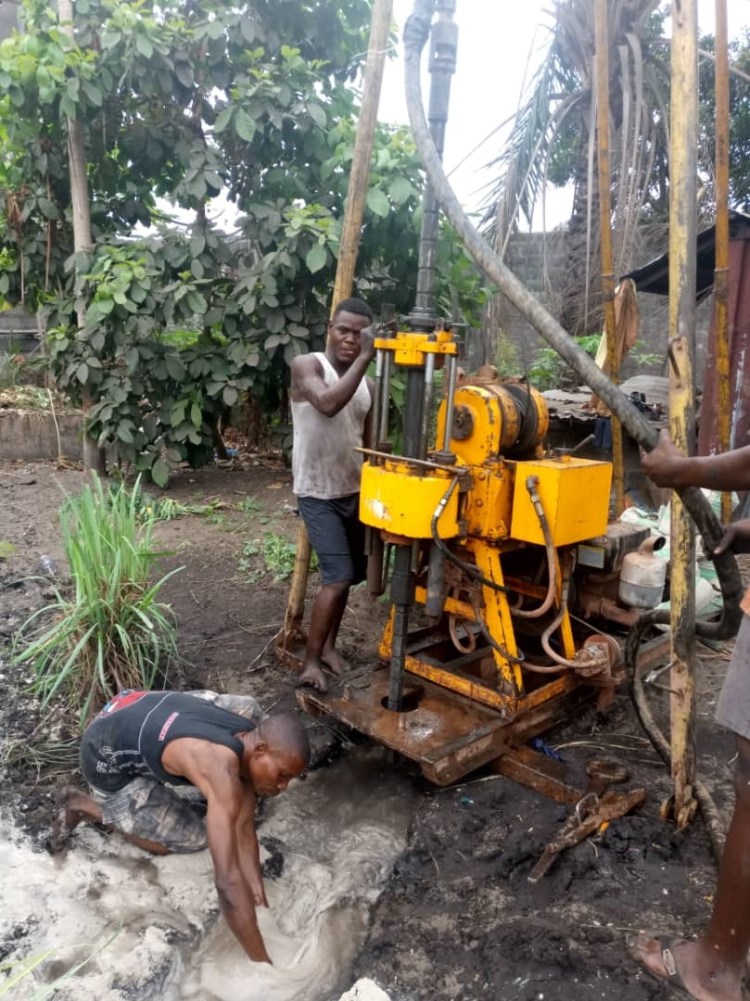
The water project is underway!

We are so excited to announce Shilo Foundation Project has finally broke ground to drill for water!

Thank you to those who pray for and stand with us as we make these steps.

Follow and Share!

More to come!

Project Progress: Shilo Headquarters

We are excited to watch this wall being built around our property! This is where the magic is happening and where our warehouse will be… check out how it’s coming along!

Breaking Ground!

The next update is going to be so exciting! We can’t wait to share it! Update current as of Feb 2021 Update! Digging has begun, check back for video and pictures of this exiciting endeavor! The water project is underway! We are so excited to announce Shilo Foundation Project has finally broke ground to drill…

Water Project

Water is essential

The Water Project is an undertaking that requires substantial start-up capital. The land has been secured to build the town drinking water well and water tower. Additionally, we will build the well powered by the solar panels. The cost to drill an 180 meter-deep well, 50K-liter capacity water tower and water distribution system is estimated at approximately $55K. With $55K, we can provide a platform for safe drinking water, agriculture/farming, small businesses, and a community with a population of thousands.

Water Project Phases:

The water/well project can be accomplished in three phases, drilling phase, building water tower support phase, and Installation of water distribution phase.

  1. Drilling phase: This consists of drilling over 180 m deep to reach the waterbed and pumping water out to the surface. The pump will be powered by 20 KW solar panels that will be installed on the roof of a building structure that will house the well. The length of the project is about 2 weeks from start to finish. The cost for drilling is approximately $30K for labor and supplies.
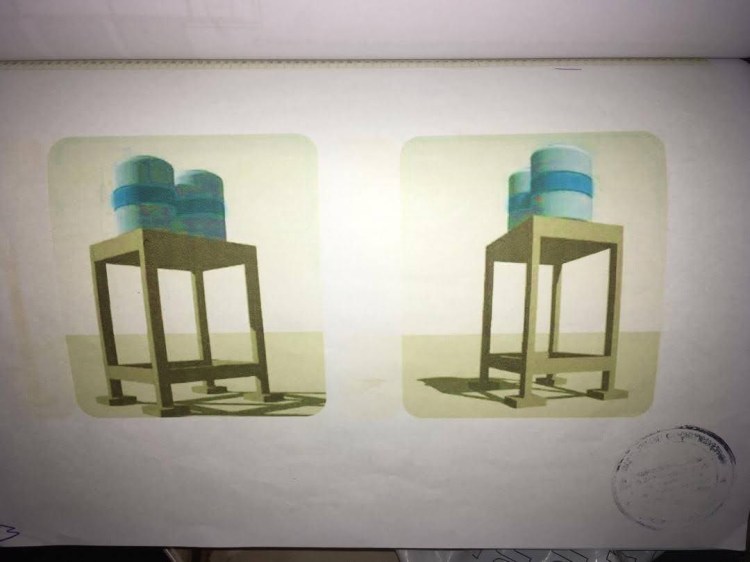
  1. Building water tower support structure: Due to the nature of the soil, a solid foundation and reinforced concrete with metal structure will be needed to support a 50,000 liter water tank.  The support structure needs to be elevated at least 10 feet above ground to build pressure and allow the water to flow easily where it is needed. The cost of this phase is approximately $24K.
  1. Water distribution: This is the final phase of the water project, where several pipes will be needed to be installed underground to transport water. The cost of this phase has not been determined yet. 

If you want to support any phase of this project, please visit our Ways to Support Page!

“Making Progress One Project at a Time!”

Bio Charcoal Project

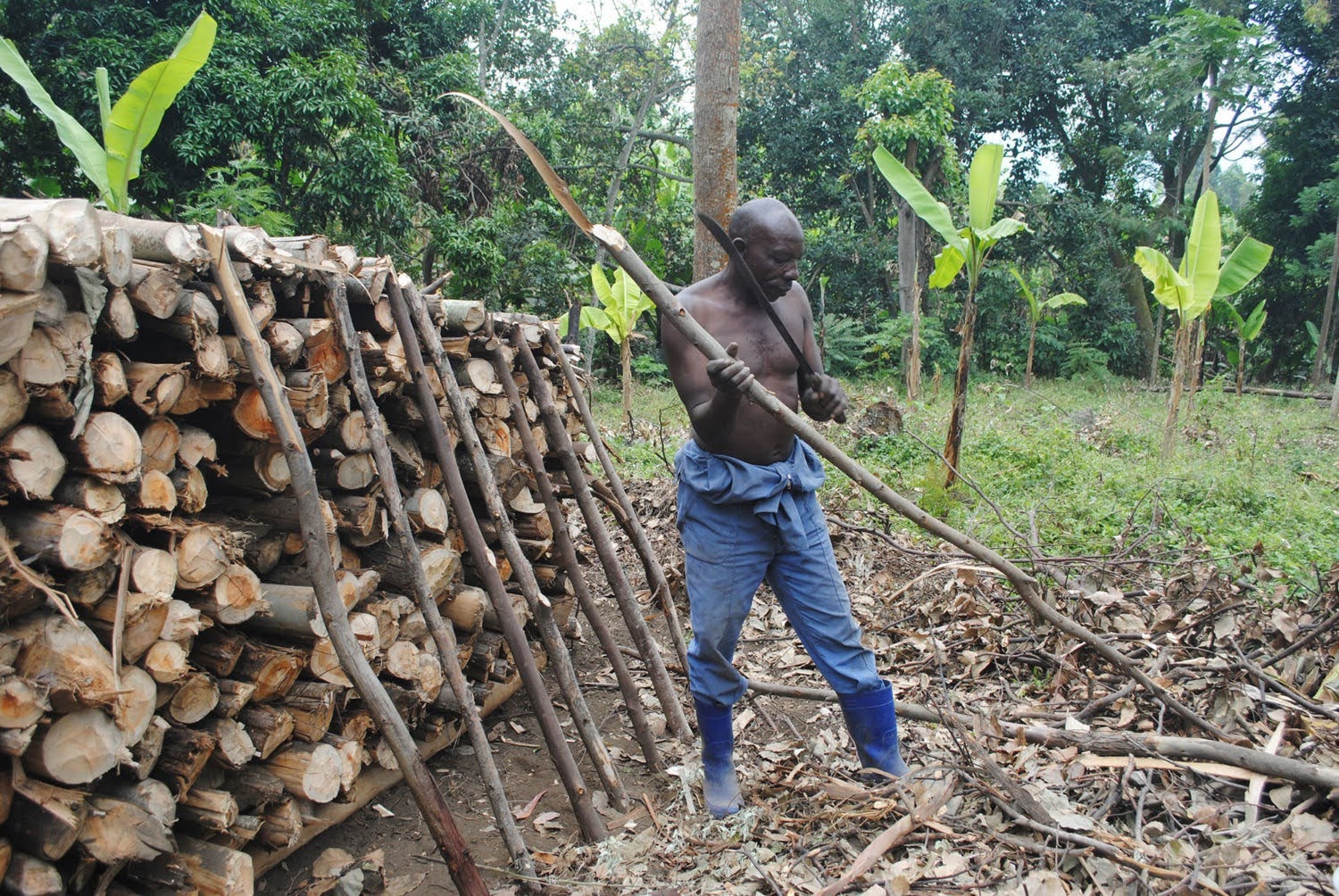
Over 80 million people in the Democratic Republic of Congo (DRC) depend on the trees from the Congo rain forest for charcoal fuel as the primary source for cooking as other sources of fuel like electricity or natural gas are either unavailable, inconsistent, or very expensive. Most of the charcoal used in Kinshasa are made in villages hundreds of miles away from the city. Accessing these villages can be very difficult, if not impracticable, especially during the rainy season due to road conditions. Understandably, while the demand for charcoal remains high, supply decreases during the rainy season (Sep – May) driving the cost of charcoal higher. 

Deforestation and Greenhouse effects

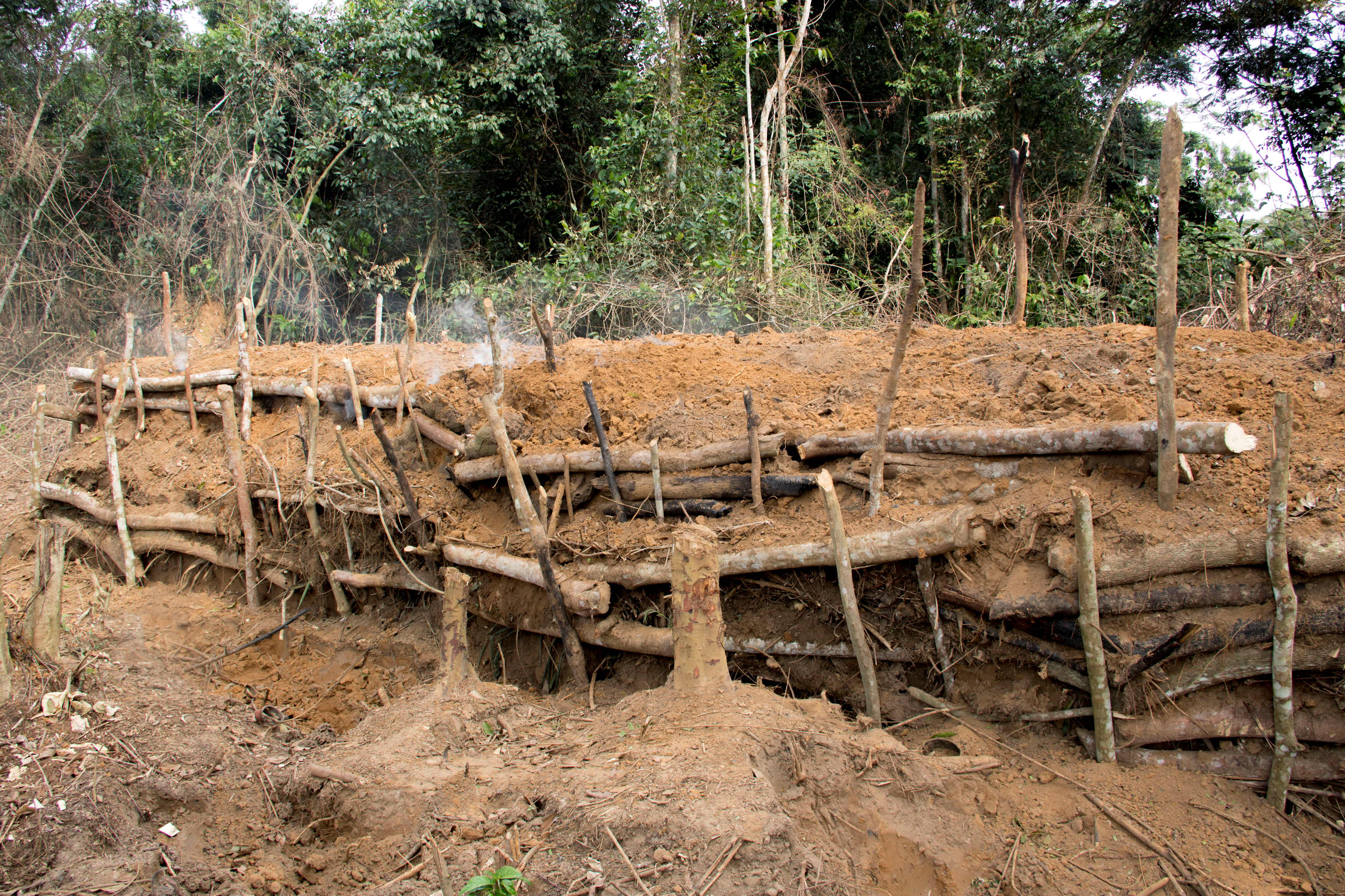
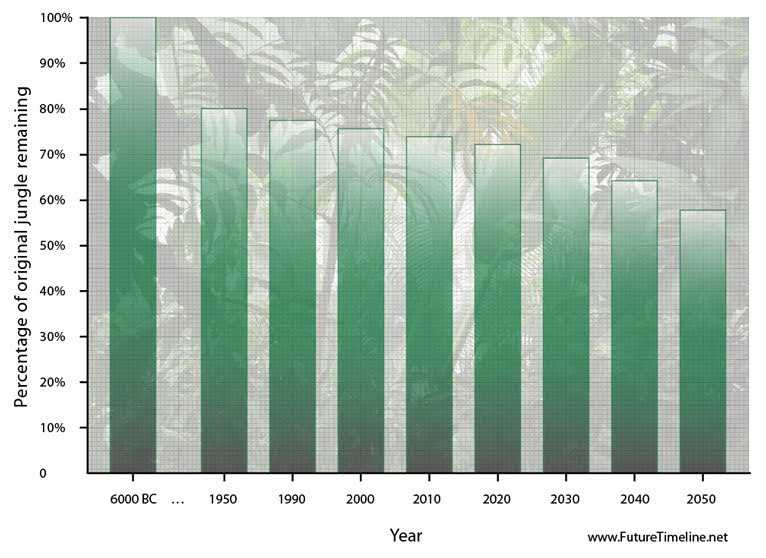
DR Congo has been losing its rain forest at an alarming rate of about 1,235,527 acres (almost the size of Delaware, US) each year, and one of the main causes is the manufacturing of wood charcoal. Charcoal in DR Congo are primarily made from trees, which are cut, dried, and carbonized in ovens made from clay or mud. This practice has largely contributed to the deforestation of the world’s second-largest rain forest (after Amazon in Brazil) and greenhouse gas emissions that cause global warming. 

Health Concerns

The current process of making charcoal generates incombustible materials like benzene, formaldehyde, acrolein, and fine particle matters or MP2.5 that are harmful to human health, especially those individuals with lung disease, diabetes, obesity and asthma; small children or older adults are also highly vulnerable. 

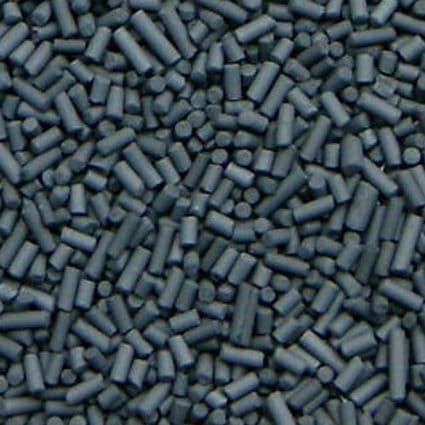
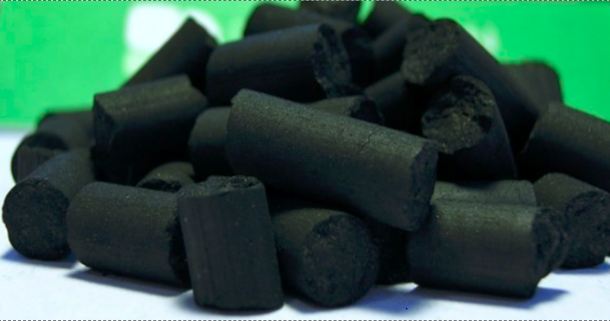
The Shilo Foundation Bio Charcoal Project can help reduce the greenhouse effects and provide alternative solutions to the current practice of burning wood. Tons of biomass wastes that are widely available throughout the city can efficiently be converted to produce charcoal briquettes. 

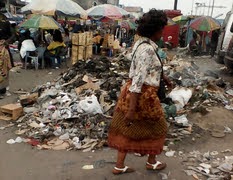
Tons of wastes have been accumulated over decades and are found on the streets of Kinshasa, clogging drainage systems, and creating a breeding environment for mosquitos that spread malaria.  Malaria is the number one killing disease in Africa, and the city does not have waste management plan capable of treating the wastes created by the 80 million people living there, therefore lacking the curtailment of the risk of malaria infection. 

Opportunities 

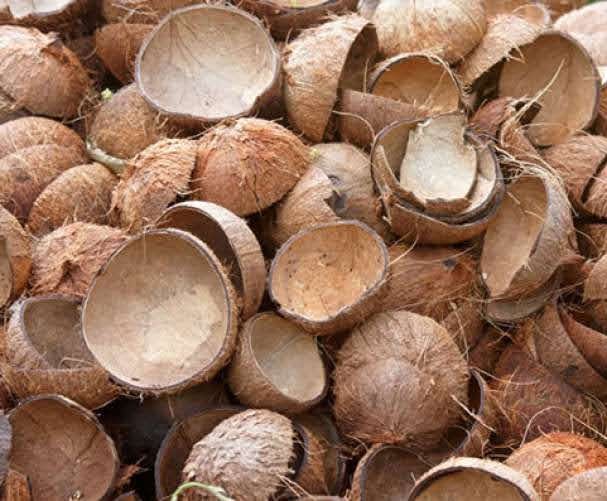
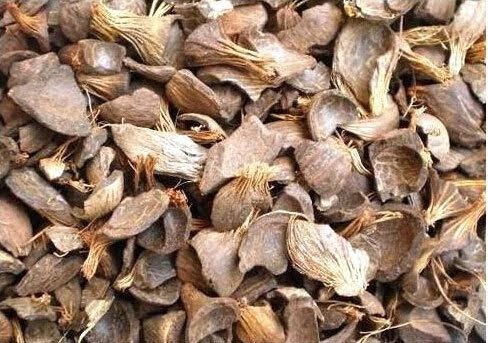
Most of the materials found in these wastes can be used to make bio charcoal: coffee grinds, rice straw, rice husk, coconut shell, sugar cane bagasse, bamboo, recycled paper, corn stover, groundnut shell, peanut shell, cardboard, dried animal droppings, dried human wastewater sewage, any vegetable or bio matter, etc. 

This project offers a unique opportunity to transform most solid waste into a cooking fuel, charcoal briquettes. It also offers a very unique opportunity to provide employment to thousands of young men and women, who (Kuluna) roam the towns of Kinshasa stealing, robbing, and attacking the population just to survive.  With an abundance of raw materials available in Kinshasa, this project can provide a constant supply of cooking charcoal briquettes at a relatively cheaper price. This project will also help protect the DRC rain forest, reduce the greenhouse effects and the health risks associated with materials combustion, eliminate wastes while cleaning the city while also reducing the risk for malaria. Not to mention, the provision of job availability will reduce the crime level by keeping these young men and women employed.  

Making Briquettes

Pretreatment of materials: Raw materials have to be less than 20% humid and crushed at 50mm or less prior to processing. The charcoal machine needs to be equipped with both dryer and crusher to improve the efficiency.

Carbonization: Dried and crushed raw materials are conveyed into a carbonization machine where they can be distilled and converted into carbon with a temperature of 840-950 °F (450-510 °C). 

Making briquettes: carbonized materials need to cooled off and crushed again before being pressed into briquettes. This process may require mixing of the carbonized materials with some adhesive substance as they are going into the pressing machine. Briquettes must be allowed to dry by heating them to 275 °F (135 °C) for about three to four hours.

 Project implementation

  • Establish waste collection points at strategic locations across the city of Kinshasa.
  • Hire men and women who need jobs to collect raw materials for briquettes. 
  • Build a warehouse where waste materials will be received, processed and briquettes stored
  • Purchase bio charcoal making equipment and packaging equipment  
  • Purchase vehicles to transport raw materials and briquettes 

Implementation Cost

The implementation cost will include the cost of the equipment, equipment shipment, building construction, vehicles purchase, and startup price. The charcoal machine alone ranges from $58K to $128K depending on production capacity and efficiency. The entire project may cost over $450K, however, the return on the investment far surpasses the cost to implement.   

References:

Our Goal, Our Dream

We endeavor to make progress one project at a time in the development of self-sustaining communities in the Democratic Republic of Congo. At the same time, we want to be among those who are passionate about the generation of a prosperous and self-sustaining Africa who inspires and encourages others, such as African Diaspora around the world to unite in achievement of that movement.

Our goals include making progress in the following focus areas

Agriculture

Farming Land

Aquaculture

Edible Insect Farming

Livestock and Poultry Farming

Environmental 

Charcoal briquette production (deforestation reduction effort)

Waste Management

Wastewater Treatment

Community Improvement

Community Living Essentials and Services 

(i.e. access to clinics, grocery, social scenes)

Potable Water and Electricity

Housing

Employment Opportunities

“Making Progress One Project at a Time!”